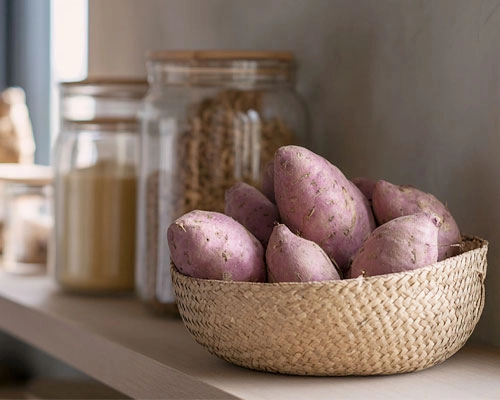
When you eat a kumara it’s good to know that you are not eating a potato. Kumara and potatoes are VERY different. A potato is a tuberous root vegetable while technically a kumara is what is called a swollen root.
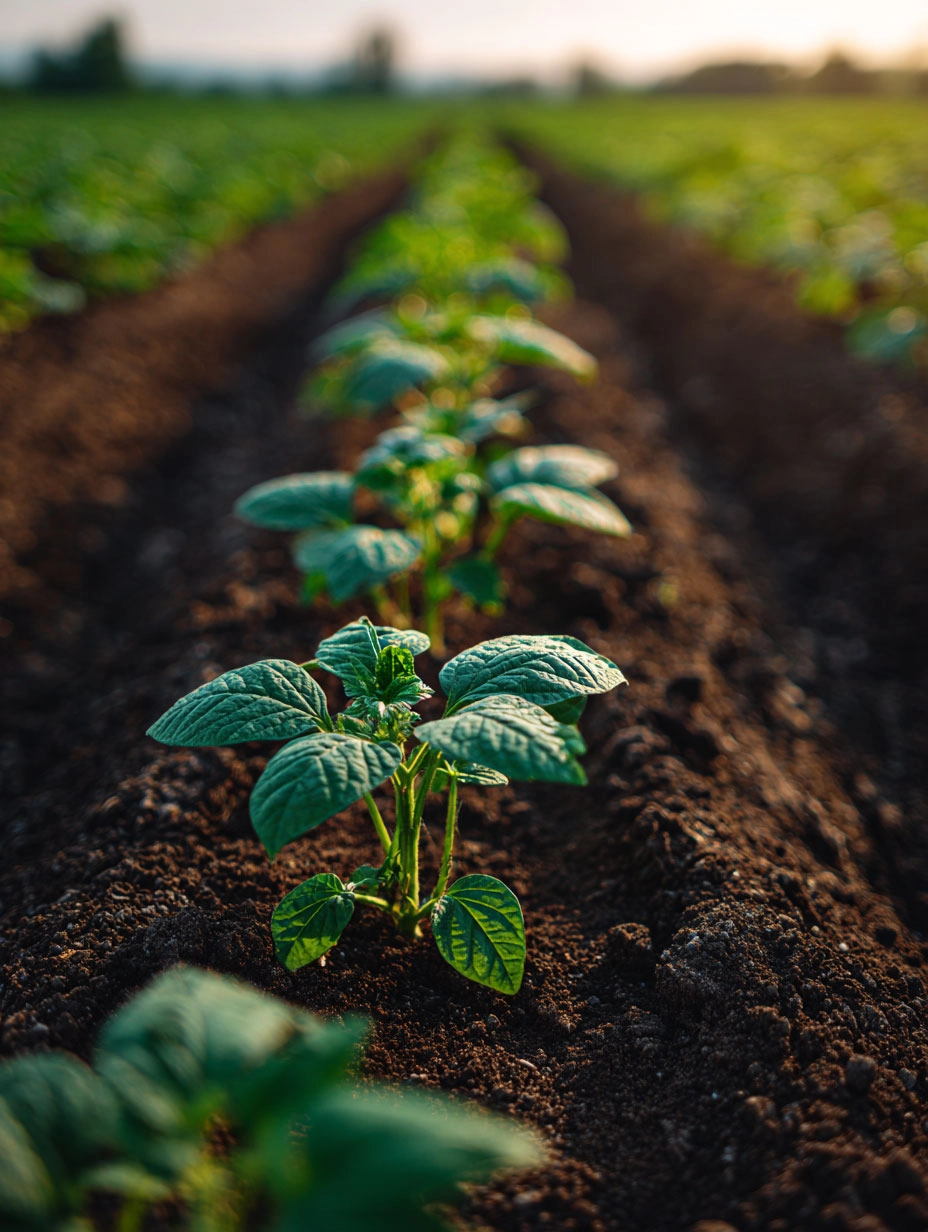
With the passing of Winter, in the months of September and October, Kumara seed is planted in our Nursery Beds. Here they are tended carefully until the sprouting shoots reach 25-30cm in height, each with about eight leaves. Then it is time for them to be transplanted to our Kumara Gardens. To avoid any risk of transferring pests or disease from the Nursery Bed soil, the sprouts (often called Cuttings) are cropped above the ground.
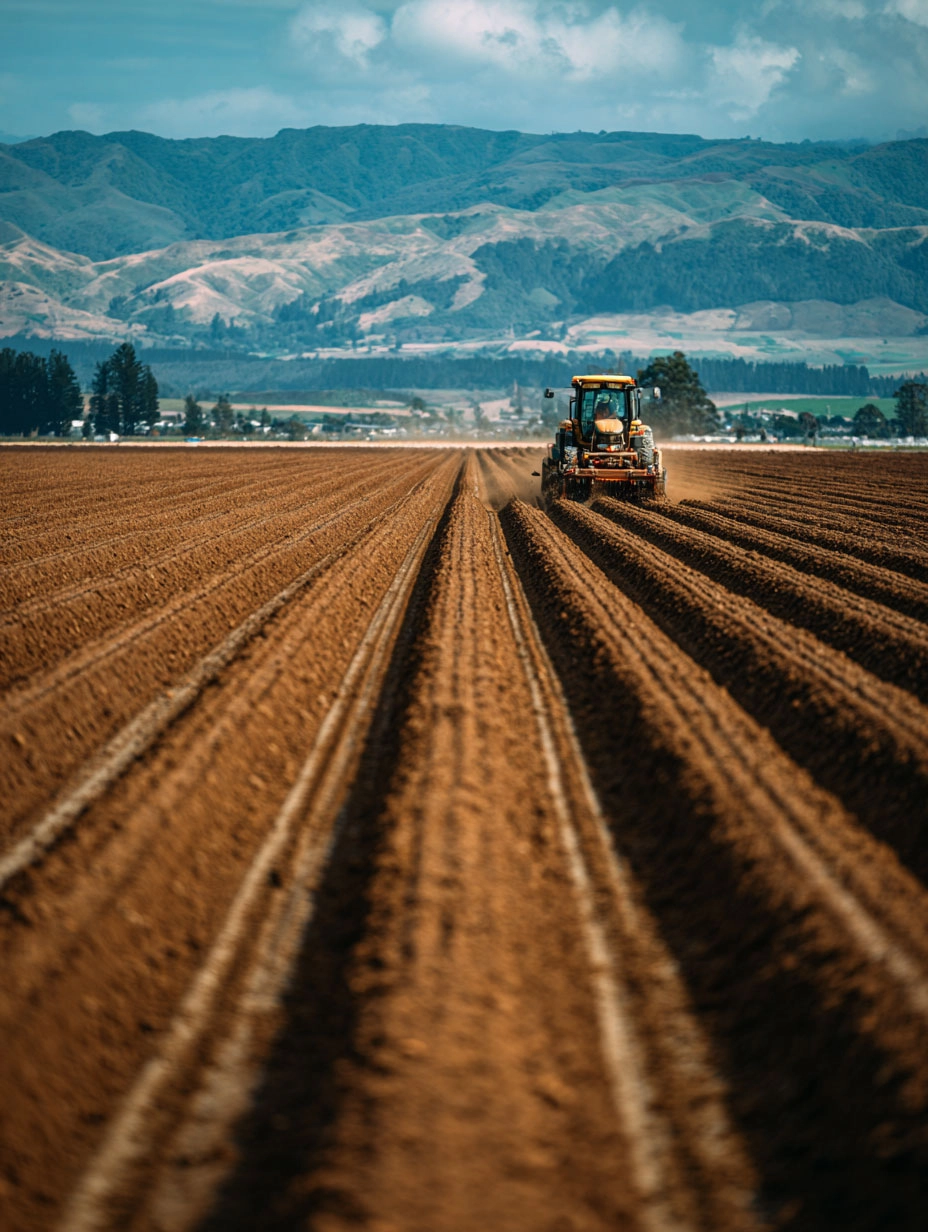
While the sprouts are being tended in the Nursery Beds, Delta Growers are carefully preparing the condition of the Gardens. Working within strict GAP guidelines, the soil is tested, fertilised if needed, weeded, aerated and brought into optimum growing condition to take and nurture the kumara cuttings to full and healthy maturity. Long ridges are created in the naturally flat, rich, alluvial fields. It is into these raised beds that the cuttings are planted 30-45cm apart to give each of them the growing room that they need.
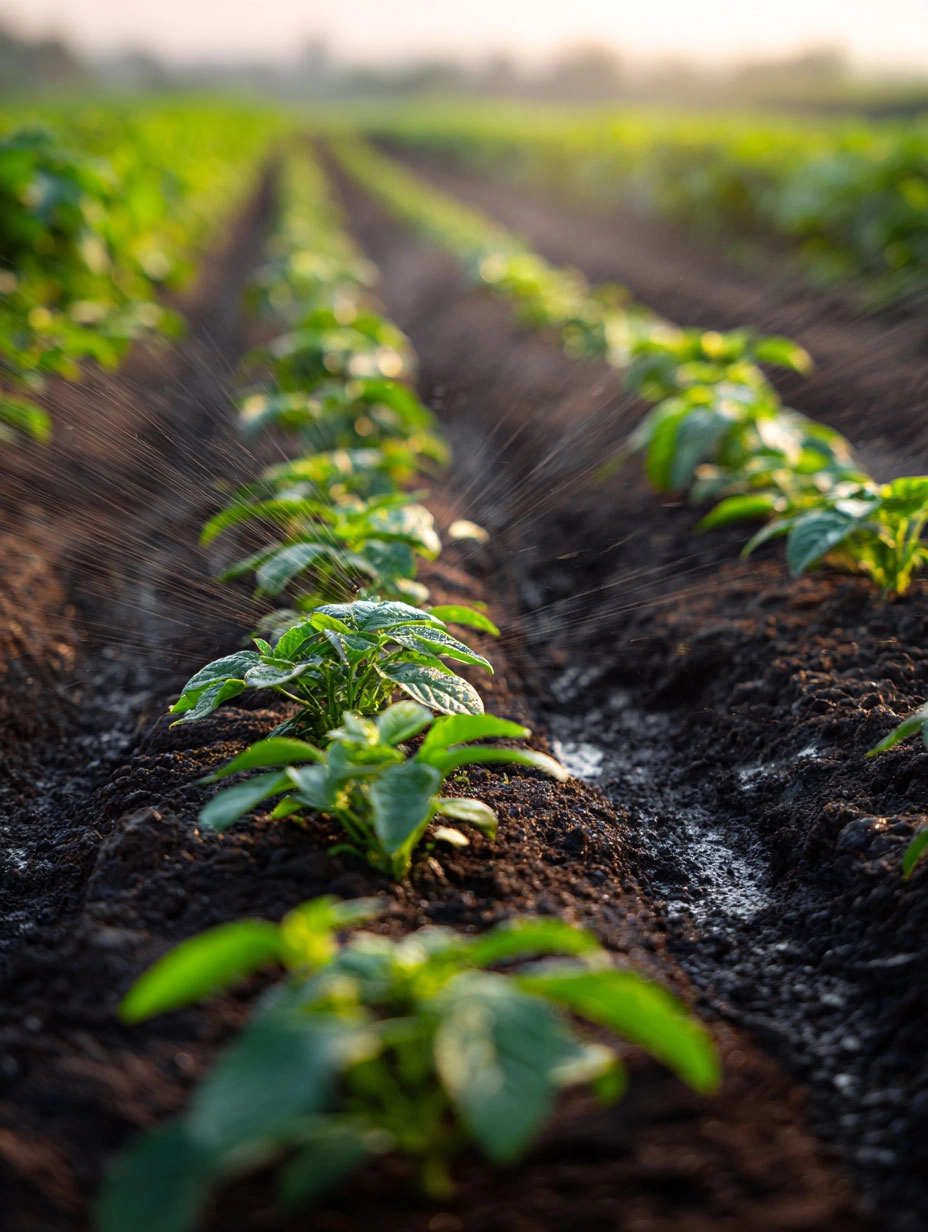
In the months October to January planting of the six week old cuttings take place as the weather conditions allow. Once in the ground they are watered 2-3 times in the first week to give them a good start. It is here in the Gardens that are constantly weeded that the cuttings grow to maturity.
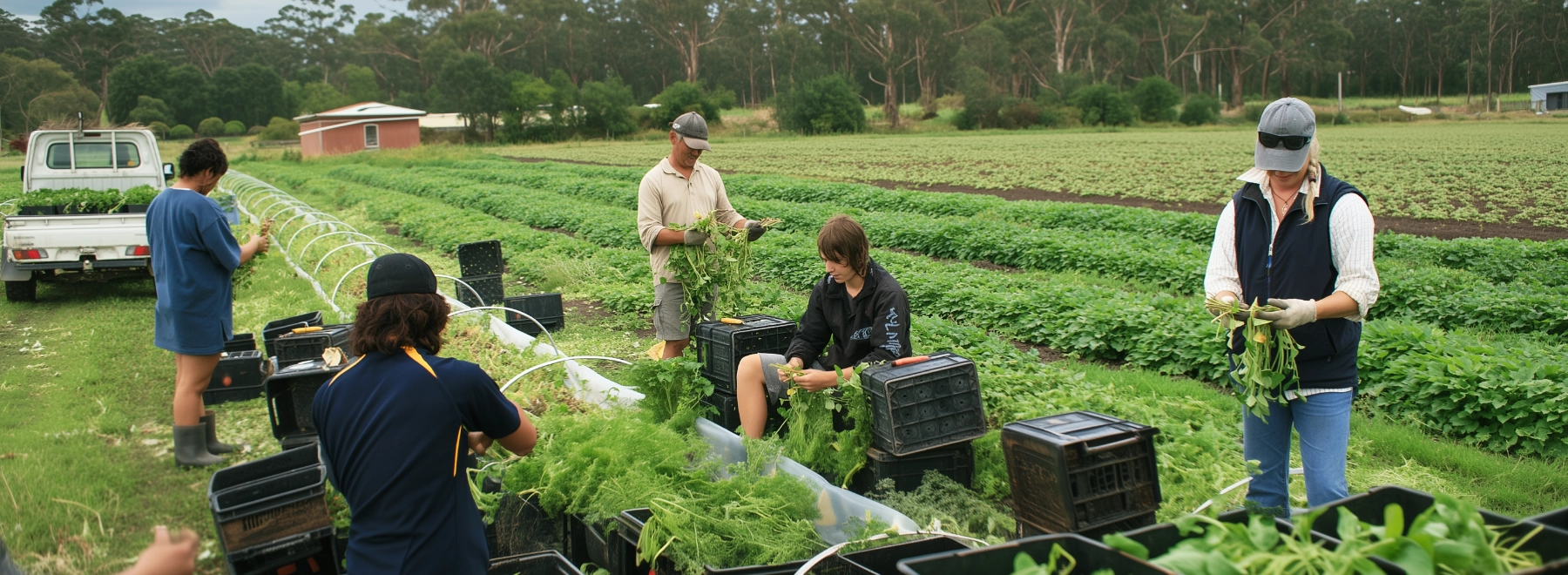
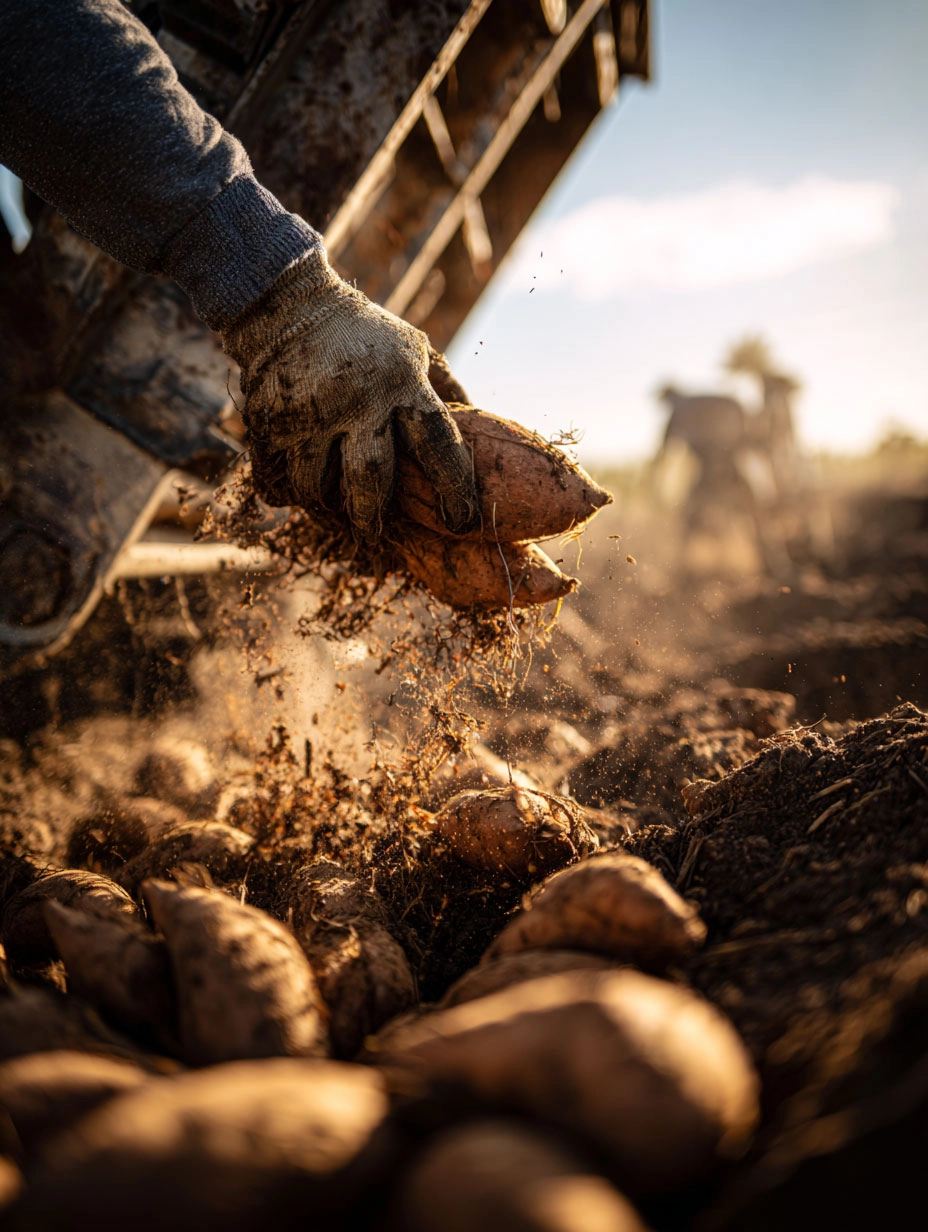
Following the cycle of planting is the cycle of harvesting through the months of January to April. It is a Harvest Time perfectly attuned to the seasonal harvest clock of Mid Summer to Mid Autumn. Although today harvesters no longer need to walk the rows and a machine is often used to draw the crop from the ground, Delta Harvesters still clean and sort the crop by hand in the fields.
When the harvest is in, it is important that we keep it in premium condition for you until the next year’s crop reaches maturity and is ready to harvest. We are assisted enormously in doing this by the naturally very long shelf life of the kumara and its natural ability to heal itself from any cuts or abrasions. Good storage requires we maintain the ideal natural environment with balanced temperature and humidity control; not too hot, not too cold, not too dry and not too damp.
We want you to buy and enjoy our Delta Kumara. It is therefore very important that our kumara reaches your supermarket or Fruit & Vegie shop in premium condition. We are helped in this by Kumara’s marvellous natural ability to remain fresh for months and months. But, to make sure, we manage the distribution so that only enough kumara leaves our ideal storage conditions to ensure that you will always have kumara to buy in your store or supermarket.
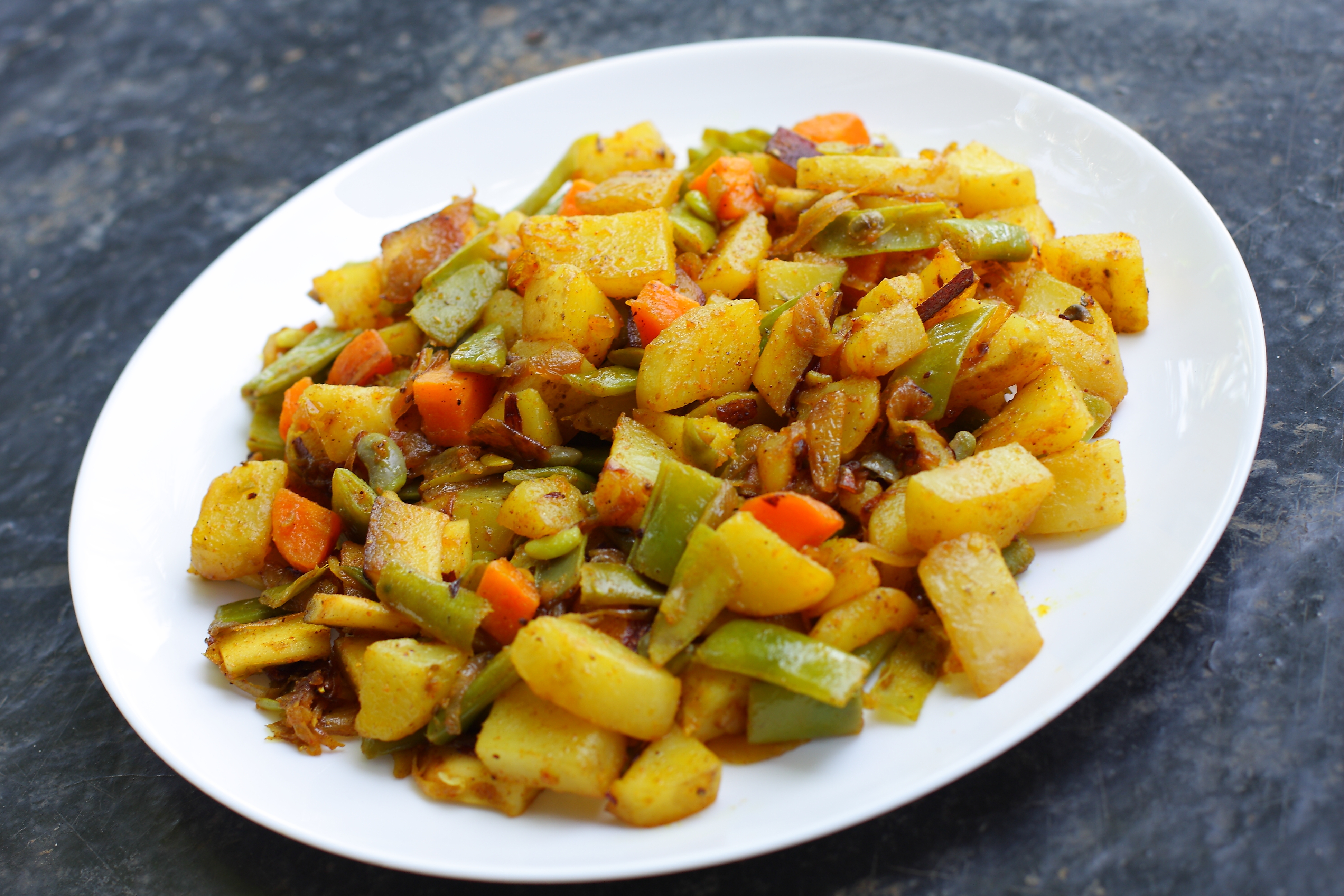
– from the field to your plate will inspire you to use in many different ways this most marvellous of foods Nature has given us to enjoy.