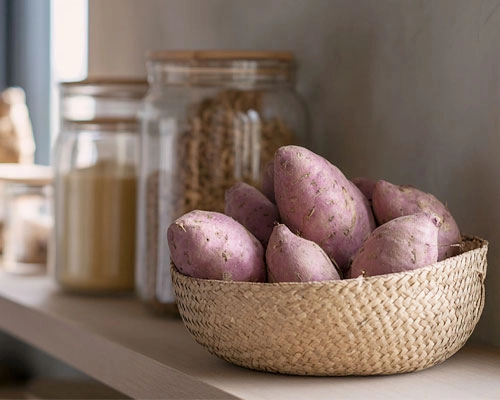
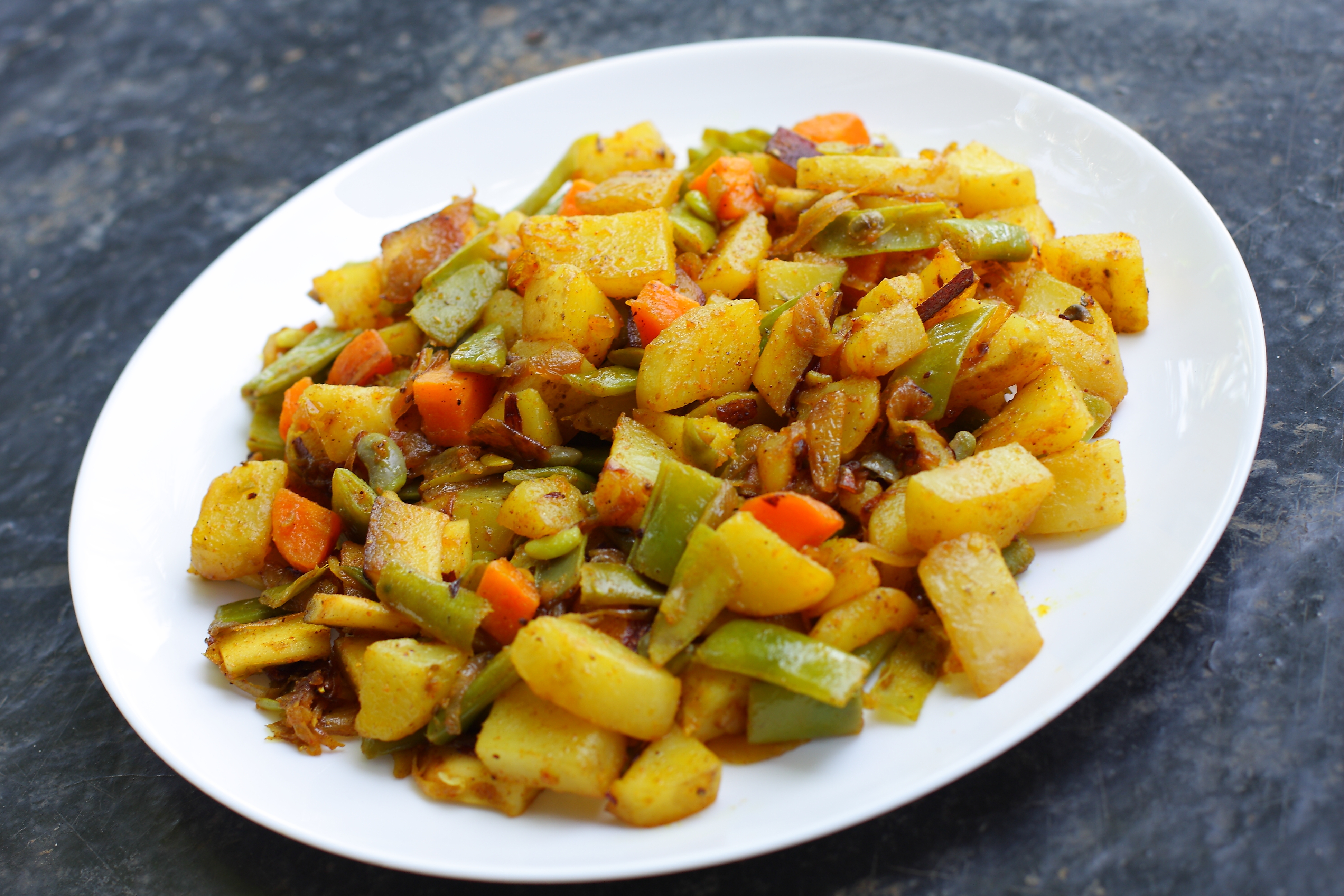
Someone, a long time ago, discovered that there are few things nicer in winter than a lamb roast with kumara.
So it was that kumara quickly became an important part of the traditional kiwi roast lamb dinner – right up there with potatoes, peas and mint sauce.
Today, with New Zealanders developing an ever more cosmopolitan palate colliding with our growing passion for developing dishes with NZ ingredients and flavours, new uses for kumara are being vigorously explored – particularly by those in the restaurant industry.
New ways of thinking about kumara as a food are emerging and its popularity continues to increase as its health benefits become better known. Many more exciting ways in which kumara can be used are being created. To see great new ways you can use kumara, search our recipes database. If you have a recipe we don’t have, go to our Share a Recipe page. To find out more about the remarkable health benefits of kumara, visit: The Taste of Good Health page.
Curing
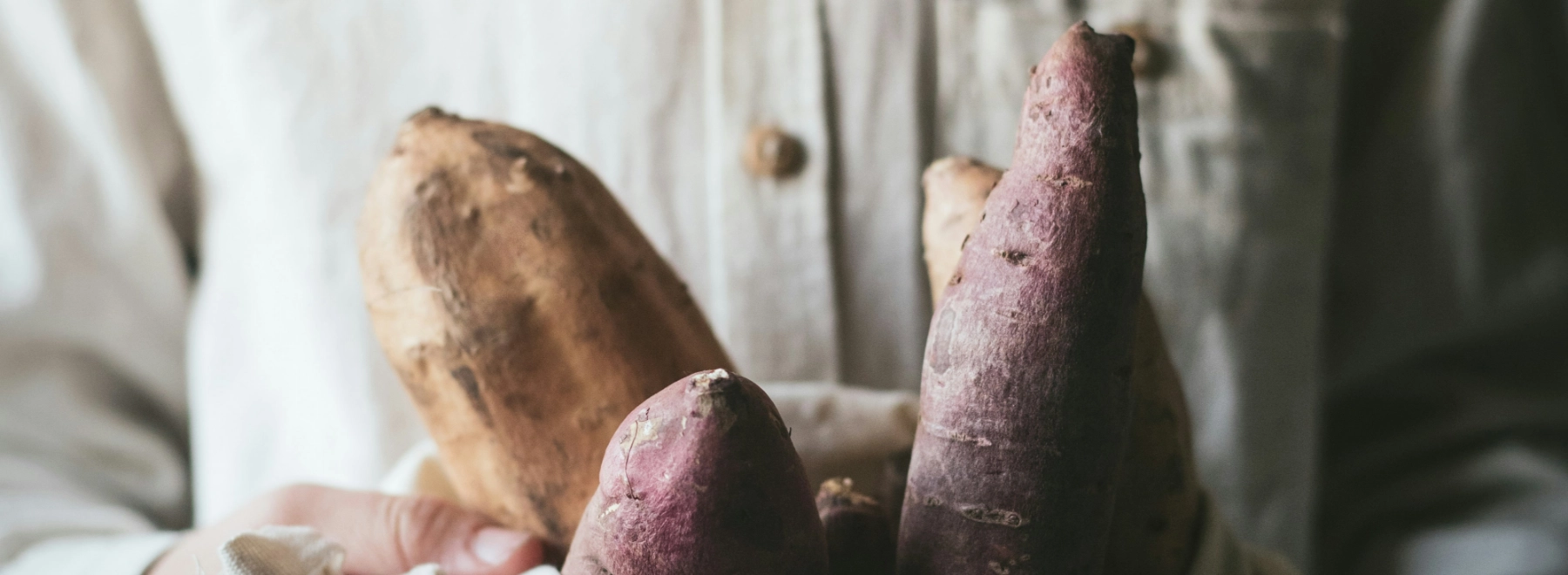
Curing prepares Kumara for long-term storage and improves eating quality. Each grower has on-farm curing sheds holding around 60 field bins at a time.
Kumara is heated to 30°C with high humidity for 3–5 days. Curing encourages small buds to form, preventing rubberiness, and seals minor harvest damage. The process converts starches into natural sugars, giving cured Kumara its characteristic sweetness and caramelisation when cooked.
Storage
After curing, Kumara rests in sheds until needed for packing. As spring temperatures rise, Kumara naturally wants to sprout — which can cause the centre to become pithy. To prevent this, Delta has invested in cool rooms operating at 14°C, storing approximately 5,000 bins. These cool rooms supply the packhouse from September through January, bridging the gap until the new season begins.
This system allows Delta to provide a consistent, high-quality Kumara supply 12 months of the year.